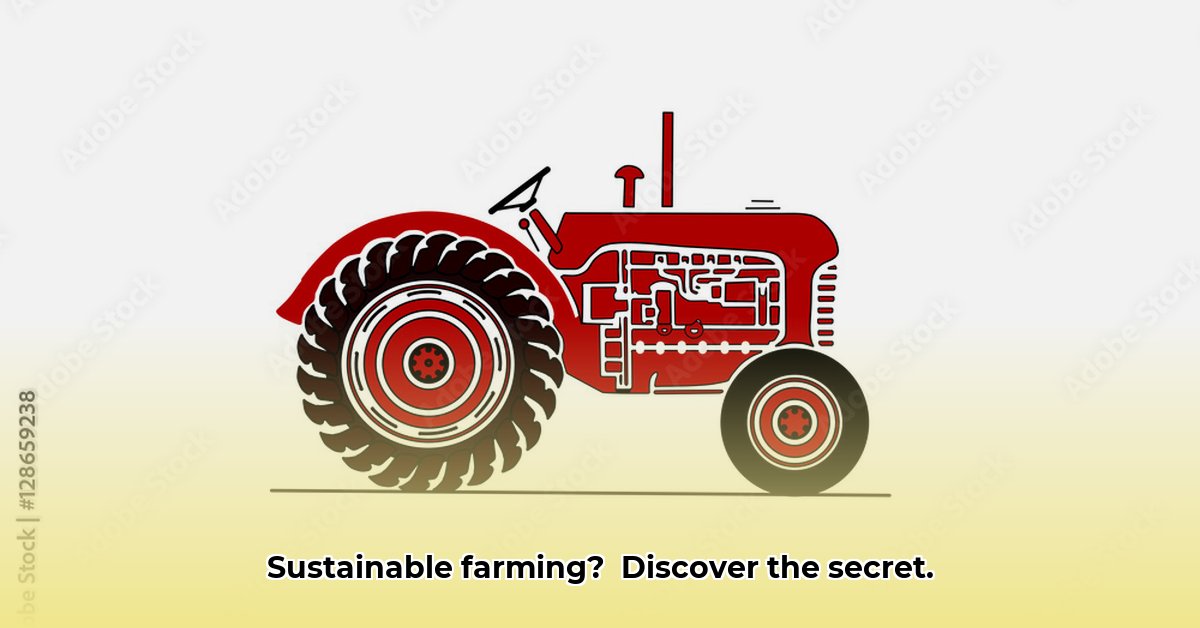
Tractor Side View: A Glimpse into the Future of Farming
Ever noticed the subtle yet significant changes in modern tractor design? More than just a cosmetic refresh, the side profile of a tractor reveals a compelling narrative of sustainable agricultural practices. This article explores the evolution of tractor design, the integration of cutting-edge technologies, and the promising future of environmentally conscious farming, all starting with a simple side view. For more detailed images, check out this detailed tractor side view.
Tractor Evolution: A Side-View Perspective
Consider the stark contrast between the boxy, fuel-guzzling behemoths of the past and today's streamlined, technologically advanced tractors. This shift isn't merely aesthetic; it reflects a fundamental change in agricultural philosophy. Modern designs prioritize fuel efficiency and reduced environmental impact. Sleeker profiles improve aerodynamics, minimizing drag and optimizing fuel consumption. This directly addresses the critical challenge of minimizing the environmental impact of large-scale tractor use. How much fuel can be saved with improved aerodynamics? Studies show significant reductions, up to 20% in some cases, depending on the tractor model and usage.
Technological Leaps: Precision and Efficiency
A cursory glance at the side of a modern tractor reveals a wealth of integrated technology. GPS antennas, now commonplace, enable precision agriculture techniques. Automated steering, guided by GPS, ensures precise passes, eliminating overlaps, and maximizing resource utilization. Variable Rate Technology (VRT), often signaled by additional sensors visible along the tractor's flank, adjusts the application of fertilizers and pesticides according to real-time soil analysis. This tailored approach reduces waste, minimizes chemical runoff, and protects the environment, substantially improving the efficiency of nutrient and pesticide deployment. “This precision application is a game-changer,” says Dr. Anya Sharma, Agricultural Engineer at the University of California, Davis. "VRT allows us to target inputs where they're most needed, maximizing yields while minimizing environmental damage."
Sustainable Fuel Sources: Biodiesel and Beyond
The relentless pursuit of sustainable farming extends beyond tractor design to the fuel itself. Biodiesel, a renewable fuel derived from vegetable oils or animal fats, offers a cleaner-burning alternative to traditional diesel, significantly reducing greenhouse gas emissions. While a glimpse at the fuel tank may not reveal the fuel type, the choice dramatically affects the overall environmental footprint. Looking further into the future, hydrogen fuel cells and electric tractors hold the promise of zero tailpipe emissions. However, widespread adoption faces challenges related to production costs, infrastructure limitations, and the current stage of technological development.
Case Studies: Real-World Successes
The transition to sustainable farming isn't merely theoretical; it's being realized on farms across the globe. A California almond farm, for example, integrated GPS-guided spraying and precision fertilizer application, resulting in a remarkable 30% reduction in chemical use. Similarly, a large-scale Iowa corn operation's switch to biodiesel resulted in a significant decrease in greenhouse gas emissions – quantifiable proof of the method's effectiveness. These successes showcase the viability and tangible benefits of adopting sustainable agricultural practices.
Challenges and Opportunities
Despite the clear advantages of sustainable farming technologies, significant hurdles remain. The high upfront costs of implementing these technologies present a barrier, particularly for smaller farms. Addressing this requires governmental support through subsidies and incentives. Furthermore, effective training programs are crucial to ensure farmers can fully harness the potential of these advanced systems. Data security and privacy associated with precision agriculture also require careful consideration and robust protocols. Nevertheless, the long-term environmental and economic benefits far outweigh the initial investment.
The Future of Sustainable Tractors: A Glimpse Ahead
The tractor’s side view is constantly evolving, promising a future characterized by fully autonomous vehicles guided by AI. These tractors will be powered by renewable energy sources and optimized for minimal environmental impact. This ambitious vision necessitates collaboration among farmers, manufacturers, policymakers, and researchers to overcome existing challenges and fully realize the potential of sustainable agriculture.
Key Takeaways:
- Modern tractor design incorporates features to significantly improve fuel efficiency and reduce emissions.
- Precision agriculture technologies optimize resource use, resulting in a substantial decrease in environmental impact.
- Alternative fuels like biodiesel offer immediate solutions for reducing emissions, while hydrogen and electric options represent the future.
- The transition to sustainable agriculture requires collaboration, government support, and farmer participation.